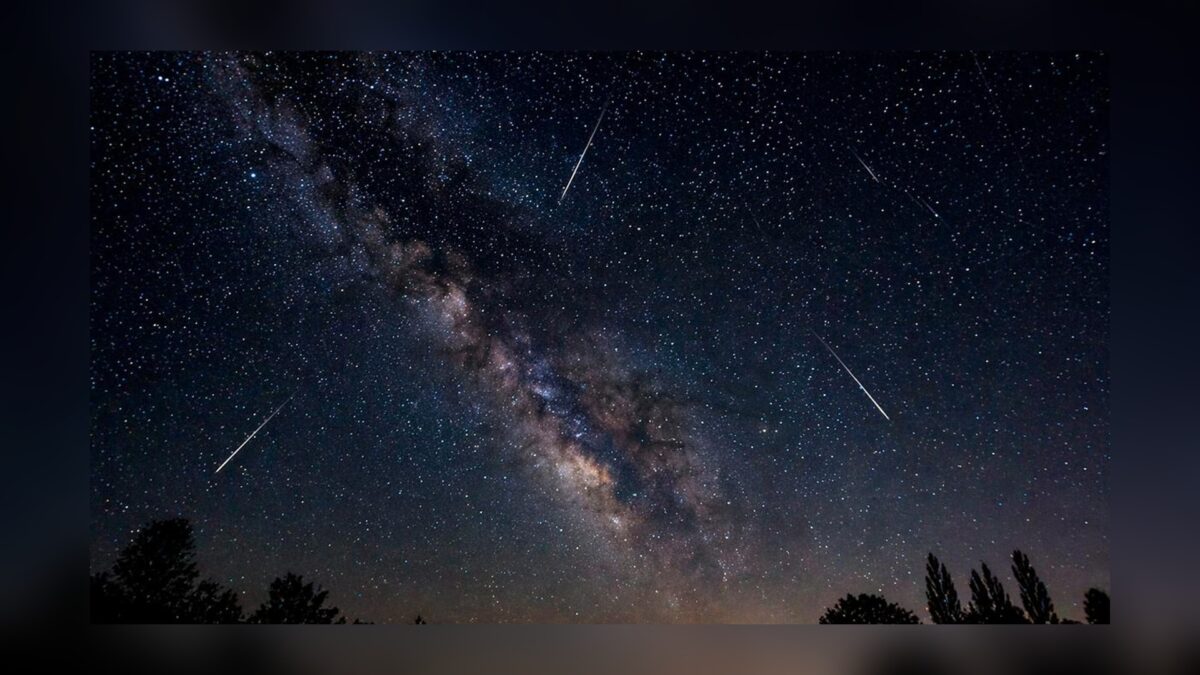
The Lyrid meteor shower will reach its peak on April 22, 2026, offering an astronomical spectacle for enthusiasts in South America. This phenomenon, associated with comet C/1861 G1 Thatcher, is expected to be visible from various locations across the continent, with an estimated 15 to 20 meteors per hour. According to NASA, under ideal conditions, there could be ‘outbursts’ of up to 100 meteors in a single hour. Bill Cooke, director of NASA’s Meteoroid Environment Office, emphasizes that while the frequency of the Lyrids does not match that of the Perseids in August, it remains an attractive event for astronomy lovers.
The best time to observe this phenomenon will be from midnight to dawn, with peak activity occurring between 2:00 a.m. and 5:30 a.m. local time. For those wishing to enjoy the show, it is recommended to find a location away from light pollution and ensure that the sky is clear. In addition to the Lyrids, other astronomical events are also scheduled for 2026, such as the Perseids, which can be observed on August 12 and 13. For more details on other events, you can check our coverage of the Itaipú hydroelectric plant and its artificial lake, which is also of scientific interest.