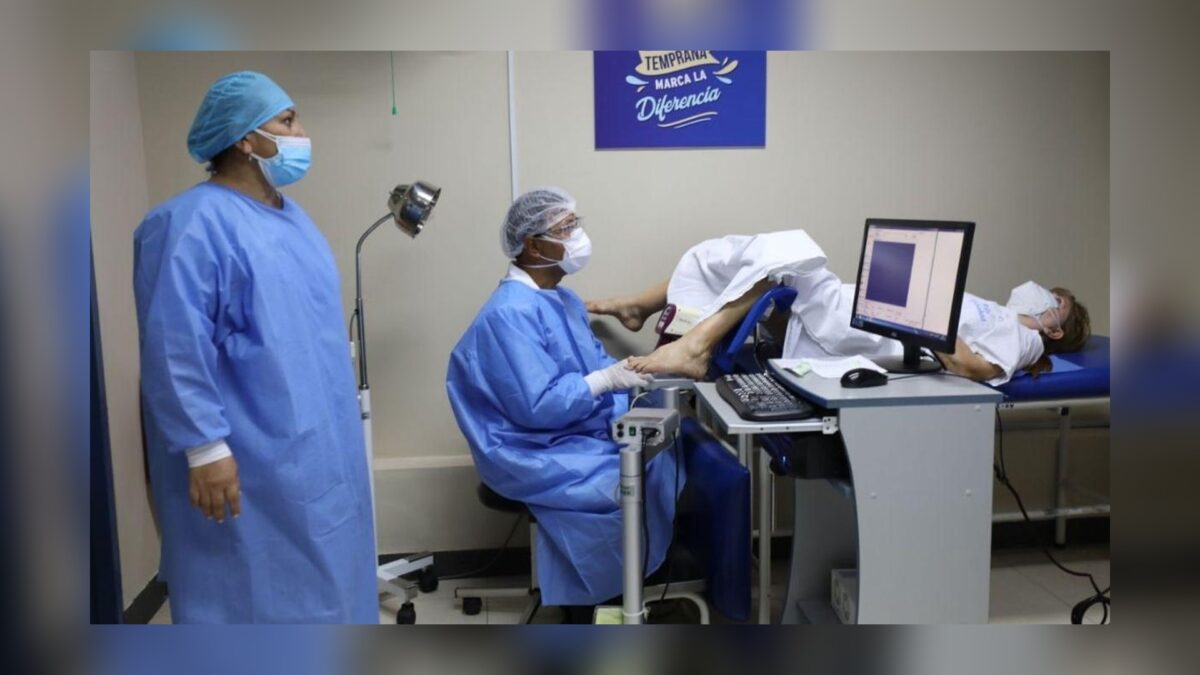
Cervical cancer remains one of the leading causes of oncological death among women in Peru, claiming around seven lives daily. Each year, between 4,800 and 5,000 new cases are recorded, with approximately 2,500 fatalities, reflecting deficiencies in early diagnosis. The disease, which progresses without symptoms in its early stages, is often detected at advanced phases. Specialists warn that abnormal vaginal bleeding and persistent vaginal discharge are signs that are often ignored, and many women opt for self-medication instead of seeking medical attention. Additionally, cultural factors and structural barriers complicate access to diagnostics and treatments.
According to Dr. Gerardo Campos Siccha, the centralization of healthcare in Lima limits access to services in provinces. Only 48% of women undergo a Pap smear, and of those, merely 19% collect their results, hindering proper follow-up. In the context of World Cervical Cancer Prevention Day, commemorated on March 26, there is an urgent call to strengthen health education, increase HPV vaccination coverage, and ensure access to screening tests. With these measures, the impact of this disease in the country could be significantly reduced. As we report in this note, early detection is key to saving lives.