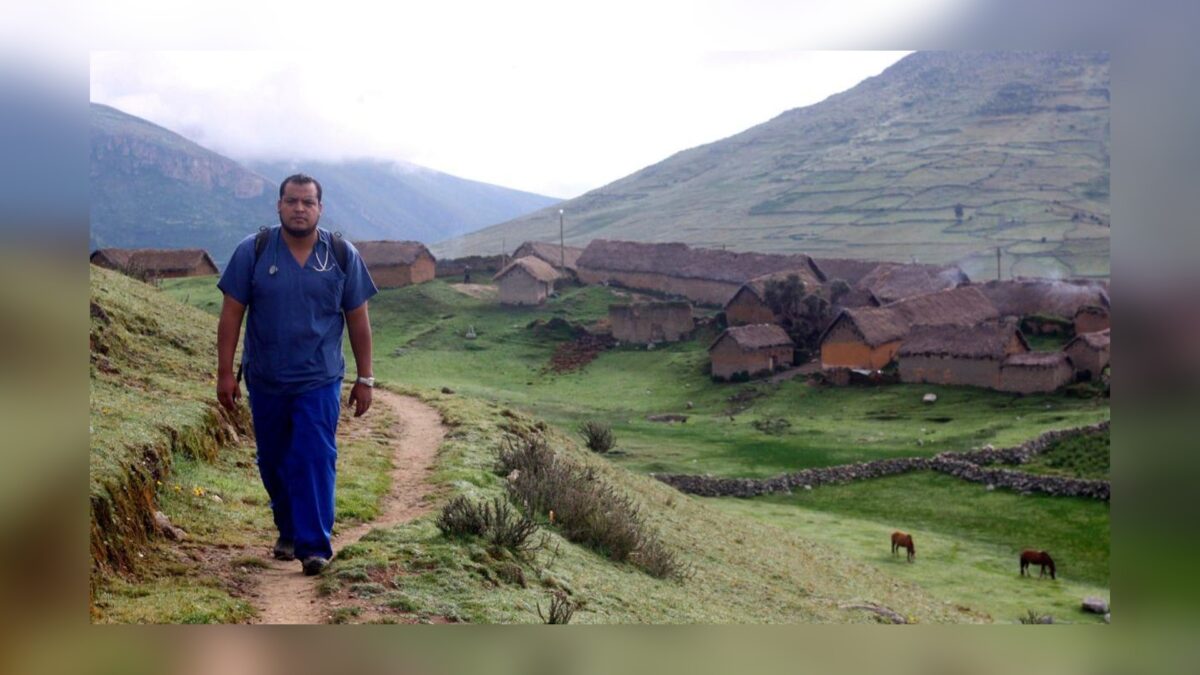
The 98% of health centers within the Rural and Marginal Urban Health Service (Serums) face critical structural deficiencies, according to complaints from health professionals. Days before the opening of registrations for the 2026-I evaluation, serumistas describe an alarming landscape where they must choose between their vocation and their safety.
Mariana, a 26-year-old psychologist working in Puno, highlights the difficulties she faces in reaching her health post, where there is no public transportation and minimal safety conditions. Meanwhile, Alfonso, an ophthalmologist in the Amazon, points out that the situation is even more complicated, as he must cross rivers in small boats to reach his locality.
Serums, created to bridge gaps in medical care, has become a practical requirement for accessing medical residency. Dr. Rocío Orihuela, president of the Young Medical Committee of the Medical College of Peru, indicates that scores for positions are assigned based on the level of risk and remoteness, further exacerbating the situation for professionals.
The work environment is equally challenging. According to the Medical College, 90% of serumistas are at risk of generalized anxiety, and over 50% show signs of burnout. “It is frustrating not to be able to provide more support,” laments Jennifer, a nurse working under precarious conditions. The lack of supplies and harassment are part of the daily routine in a system that, as professionals emphasize, does not ensure the minimum conditions for practice.