Education should be regarded as the primary economic policy in Peru, according to Flor Pablo Medina, congresswoman and former Minister of Education. In her view, the separation between education and the economy is a mistake that has led the country to face serious crises of security and inequality. Medina emphasizes that the 70% informality in the economy and the increasing insecurity are consequences of neglecting the development of human capital.
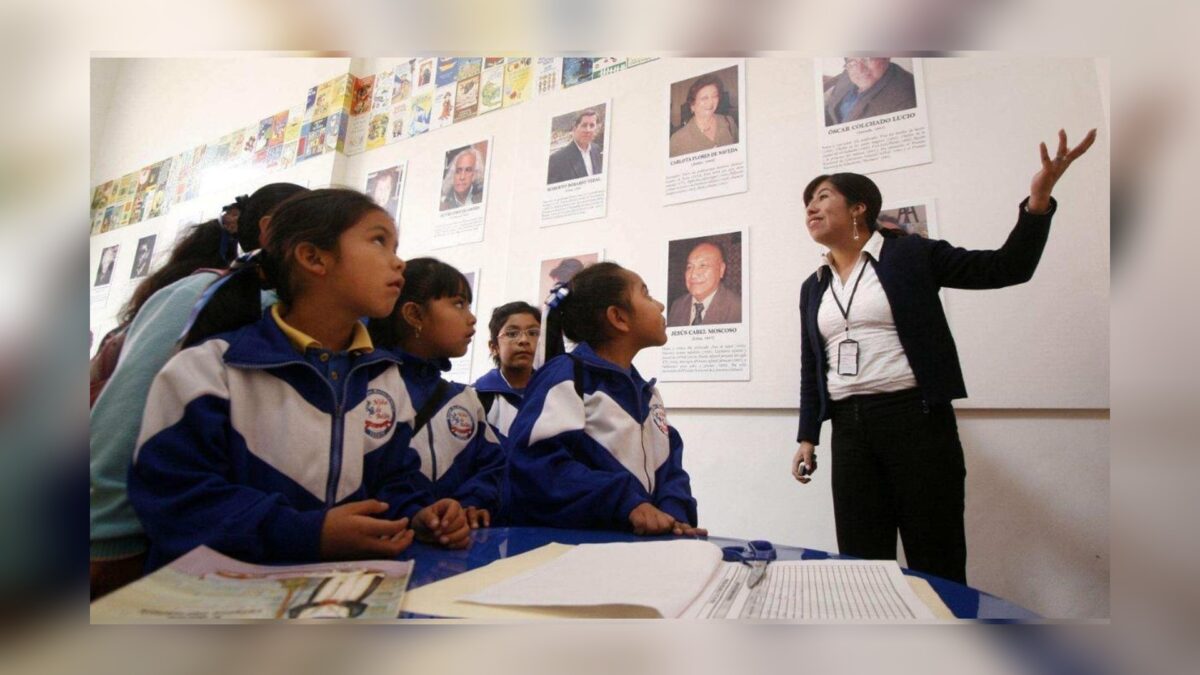
She highlights that only 3 out of 10 students understand what they read and more than one million children are out of the educational system. Additionally, 40% of children suffer from anemia, affecting their cognitive development.
The former minister proposes five strategic decisions to reverse this situation: prioritize investment in early childhood, link education with productive development, strengthen the teaching profession, close territorial gaps, and ensure students remain in the educational system. According to her, these measures are not only educational sector issues but fundamental economic decisions for the country.
Medina concludes that a strong democracy requires informed and critical citizens, and that education is key to building a future with more opportunities and security. The current situation demands a shift in focus towards education as a driver of development.