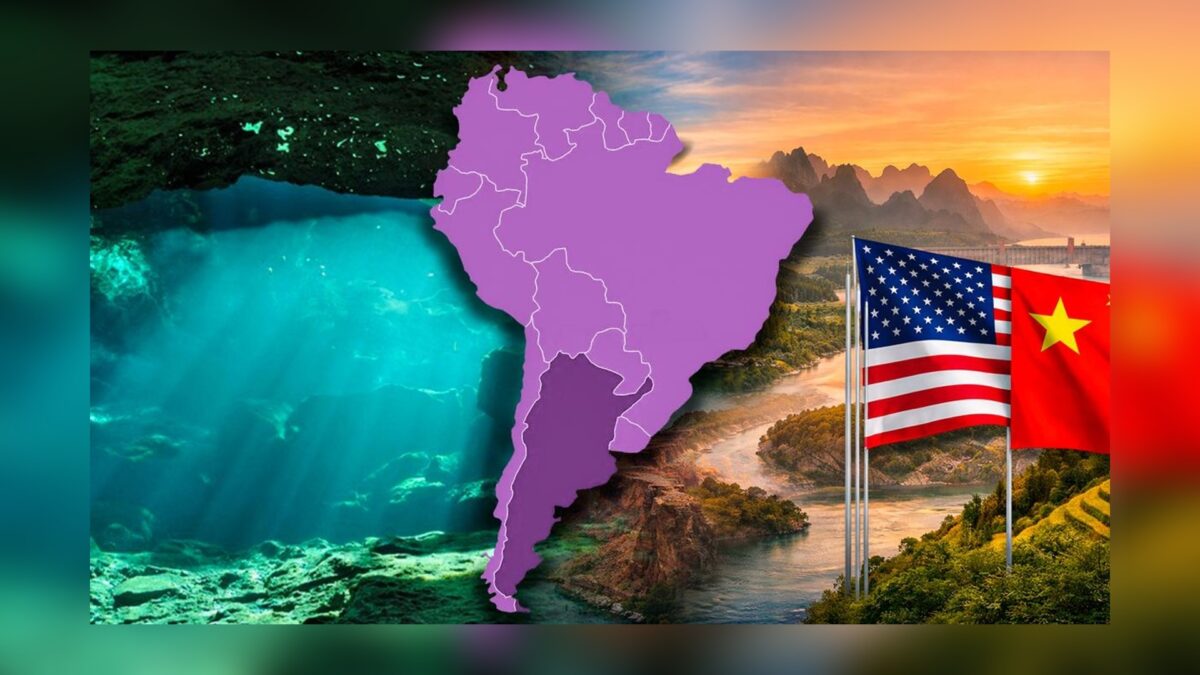
Argentina is among the four countries in Latin America that possess some of the largest freshwater reserves on the planet, alongside Brazil, Paraguay, and Uruguay. This region, which holds 45% of the renewable water resources, is highlighted by the Guarani Aquifer System, considered a strategic bastion against climate change. The Guarani Aquifer, shared by Argentina and other nations, contains approximately 30,000 km³ of water, making it the third largest underground reserve in the world. Its quality is remarkable, thanks to its low salinity, which favors supply in urban, agricultural, and industrial areas. Organizations such as the WHO and FAO emphasize the importance of these reserves to ensure access to water in vulnerable areas. In this regard, sustainable management of the resource is essential, as its distribution becomes increasingly unequal.
Brazil leads in water volume in the region, primarily due to the Amazon River basin. Argentina follows with significant river systems such as the Paraná River, while Paraguay and Uruguay also rely on these reserves for their development. To delve deeper into the topic of water reserves, you can learn more about the situation of water scarcity in other regions, as mentioned in this note about Petroperú.