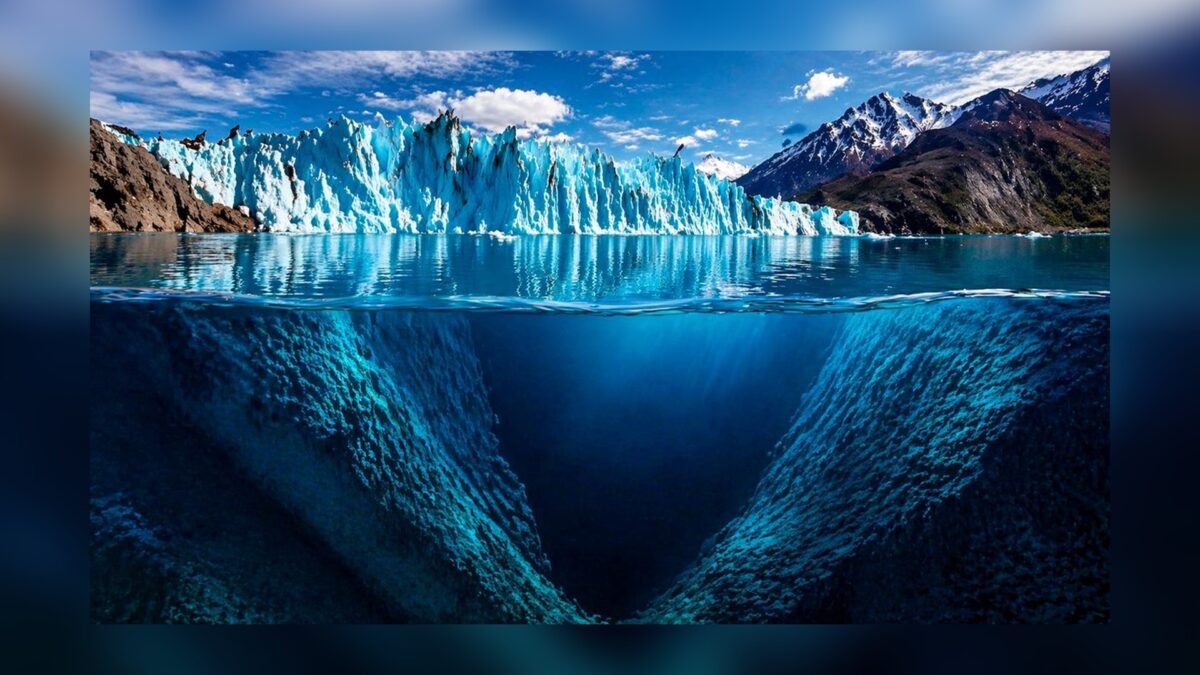
Scientists from Argentina and Chile have discovered that Lake Viedma is the fifth deepest lake in the world, revealed by the melting of a glacier in Southern Patagonia. This finding, made by experts from CONICET and the University of Chile, is set against the backdrop of global warming, which has allowed access to areas that were previously covered by ice.
Bathymetric measurements conducted in 2022 confirmed that Lake Viedma has a central depth of 900 meters, positioning it prominently on the international stage. The surface temperature of the lake is approximately 7 °C, while at its bottom it drops to 0 °C, reflecting the glacier’s influence on this ecosystem.
The creation of this lake is due to erosion caused by massive ice bodies over millennia. This new lake system also acts as a natural climate archive, allowing scientists to study glacial variations and their responses to long-term thermal crises. As mentioned in a recent study, analyzing these environments can provide crucial information about the impact of global warming on the environment.