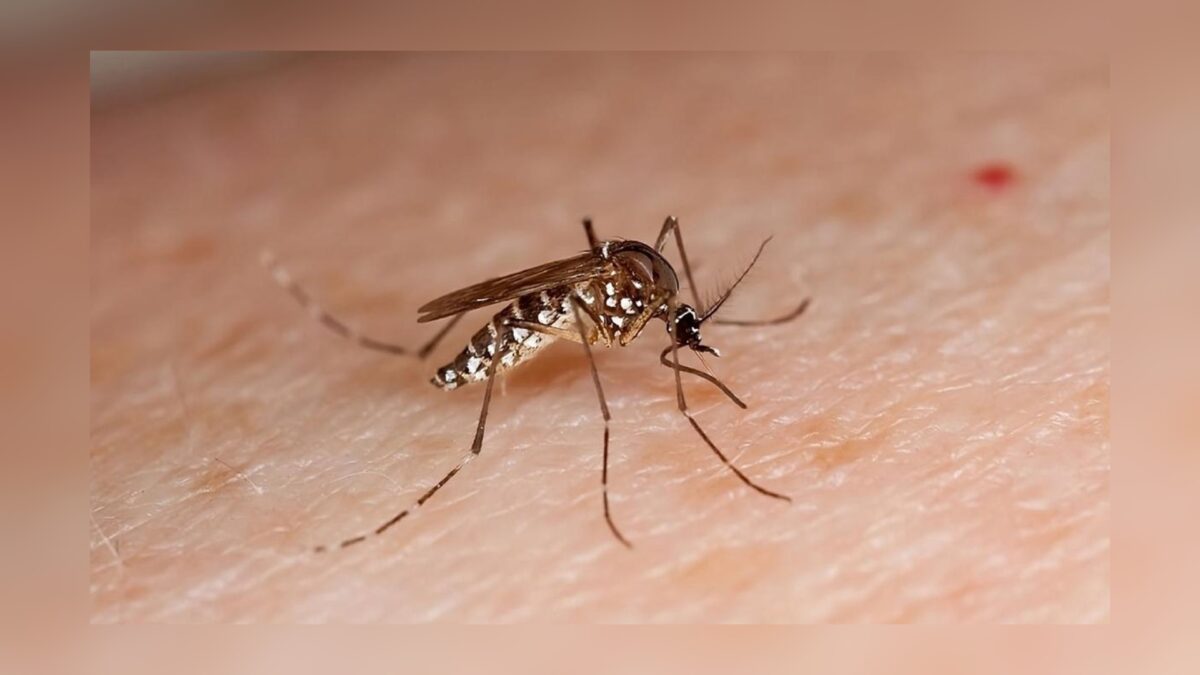
A study conducted by researchers at Georgia Tech and the Massachusetts Institute of Technology (MIT) has revealed that mosquitoes use two key signals to locate humans: dark color and carbon dioxide (CO₂) concentration. This finding could be crucial for improving the design of traps and methods for preventing diseases transmitted by these insects, such as dengue and Zika.
The scientists tracked the flight of hundreds of mosquitoes, observing that they do not choose their victims at random but respond to visual and chemical stimuli. In tests, mosquitoes were attracted to dark objects and CO₂, but only when both were present did they show a significant change in their behavior when attempting to feed.
David Hu, a professor at the School of Mechanical Engineering, compared the behavior of mosquitoes to that of a “crowded bar,” where customers do not follow a leader but are drawn to the same signals. This study, published in Science Advances, offers new insights into how mosquitoes group and orient themselves towards their food sources, which could help develop more effective control strategies.