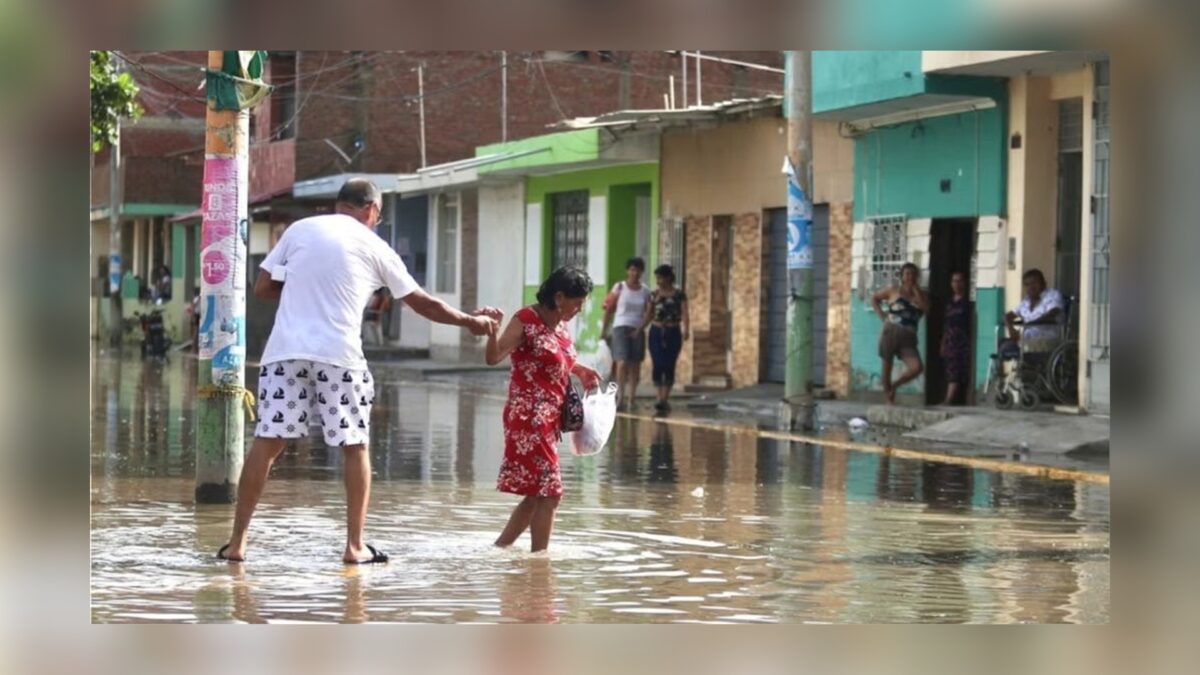
The World Meteorological Organization (WMO) has projected the development of a phenomenon known as Global Niño starting in mid-2026. This event, driven by the accelerated warming of the Central Pacific, could have severe implications for agriculture in southern Peru, as warned by Grinia Ávalos, director of Meteorology at Senamhi, in an interview with RPP.
According to the WMO, warming in this region will cause a shift in rainfall patterns in the Andes, potentially leading to droughts and delays in the 2027 agricultural campaign. Unlike the Coastal Niño, which primarily affects waters near Peru and Ecuador, the Global Niño occurs in more distant areas, and its impact is felt through atmospheric teleconnections.
Ávalos highlighted that temperatures in some regions have already exceeded 38 degrees, and the lack of precipitation could affect key crops such as quinoa, corn, and potatoes. Furthermore, the scientific community has identified an unusual pattern in climate models, increasing confidence that the phenomenon will intensify in the coming months. To mitigate these effects, the specialist emphasized the need for preventive actions and appropriate regional action plans, as the current climatic situation requires constant monitoring.