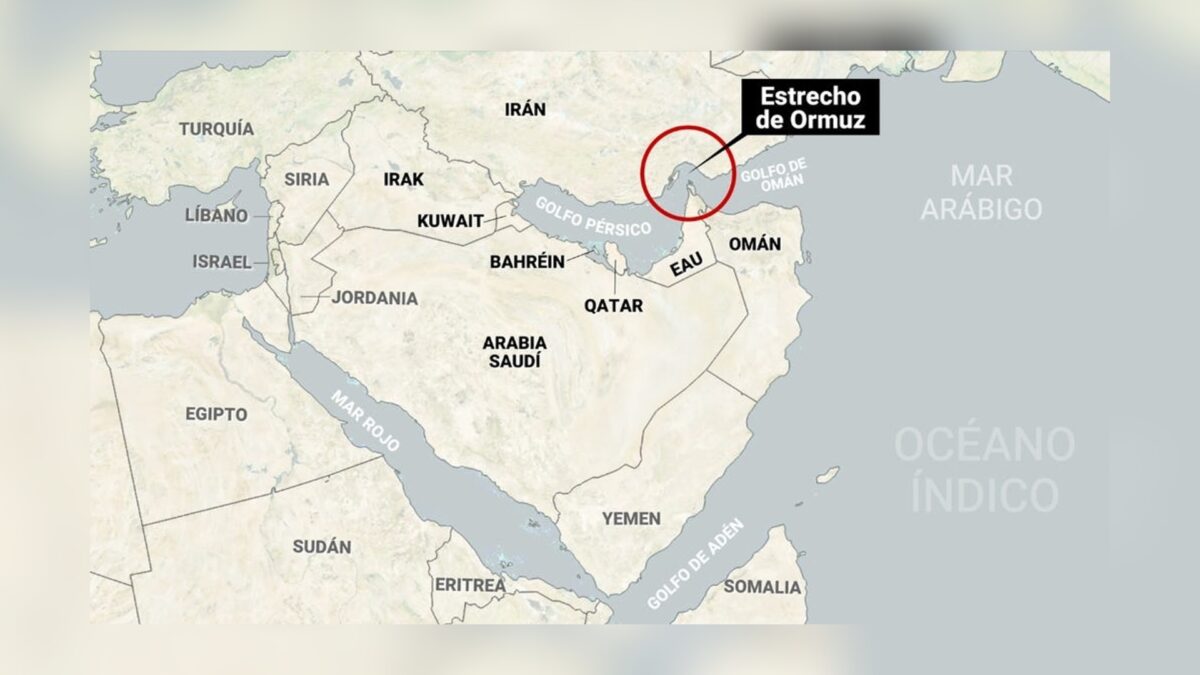
The situation in the Strait of Hormuz is becoming critical as Iran proposes the imposition of tolls on oil tankers passing through this vital maritime route. This measure comes amid rising tensions, where the Persian country and the United States have agreed to a two-week ceasefire, although Israeli attacks in Lebanon continue. Approximately 20% of global maritime trade passes through Hormuz, making any disruption in its use have global repercussions.
Iran plans to charge fees in cryptocurrencies to avoid sanctions, allowing ships to pay in Bitcoin shortly after being assessed by Iranian authorities. This system aims to ensure that transactions cannot be traced by sanction-imposing countries. Meanwhile, Donald Trump has proposed the creation of a ‘joint venture’ with Iran to manage these tolls, suggesting that the United States could significantly benefit from this initiative.
In the midst of these events, the UAE Minister of Industry, Sultan Al Jaber, has condemned the situation, pointing out that around 230 ships are ready to set sail but cannot do so due to restrictions imposed by Iran. Amid these developments, Israeli Prime Minister Benjamin Netanyahu announced that his government will begin direct negotiations with Lebanon to disarm the Hezbollah group, despite the airstrikes in the neighboring country having left over 1,700 dead since the conflict began on March 2.