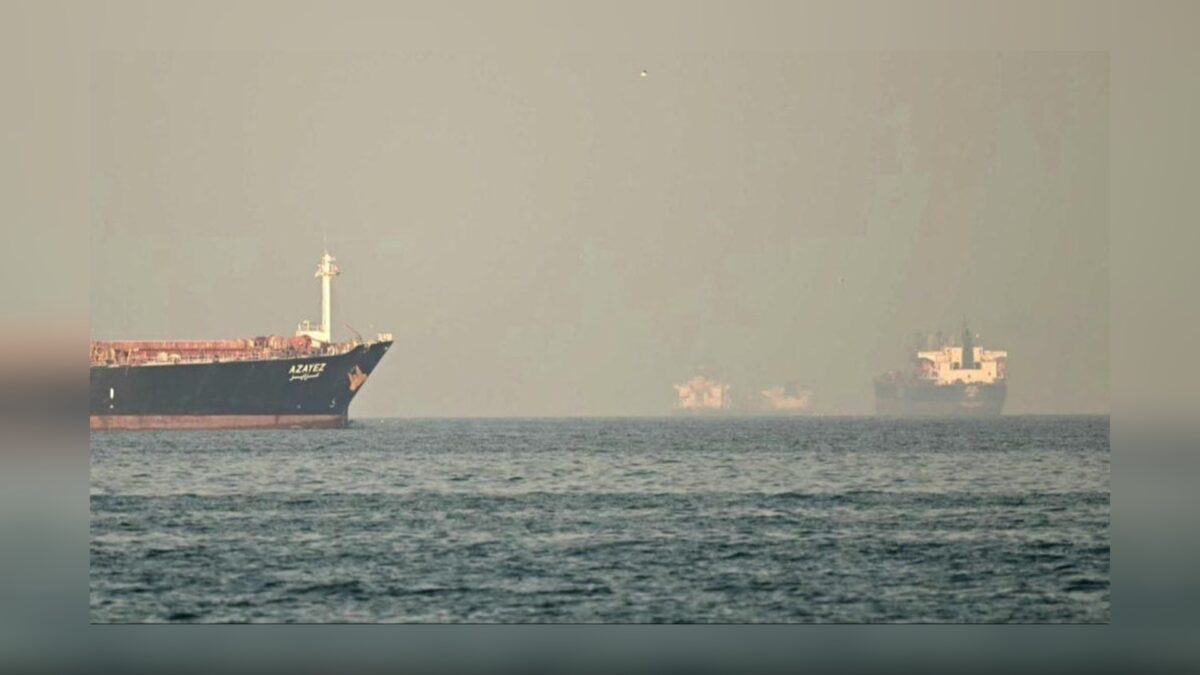
The reopening of the Strait of Hormuz, crucial for global oil trade, is in a state of uncertainty. Although Iran had promised to reactivate this maritime route, only a small number of ships, fewer than ten, managed to cross on April 8, while hundreds of vessels remain anchored in the Persian Gulf, awaiting safer conditions. Tensions have escalated due to Israeli airstrikes in Lebanon, which Tehran describes as a violation of the ceasefire. Maritime traffic has been severely affected, with data indicating a notable decline in the number of vessels crossing the strait, dropping from an average of 140 daily to just six in the last 24 hours, according to reports from Kpler and Lloyd’s List Intelligence. Iranian Deputy Foreign Minister Saeed Khatibzadeh stated that the passage of ships will depend on adherence to international norms and the cessation of aggression in the region. Additionally, media close to Tehran have issued warnings about the possible placement of sea mines in the area, which has increased concern among shipping companies, as we reported in this note on the ceasefire between the U.S. and Iran. The situation has led to Brent crude prices reaching $98, a 35% increase from before the conflict began. International leaders, such as the UAE Minister of Industry, have demanded the unconditional opening of the strait, highlighting its importance for global economic stability.