A recent finding on Mount Ararat in Turkey has rekindled interest in the search for the legendary Noah’s Ark. Archaeologists have uncovered remnants of organic material dating back approximately 4,800 years, which could be linked to a great flood mentioned in ancient texts. This discovery may provide new insights into the historicity of the biblical account and its connection to geological events in the region.
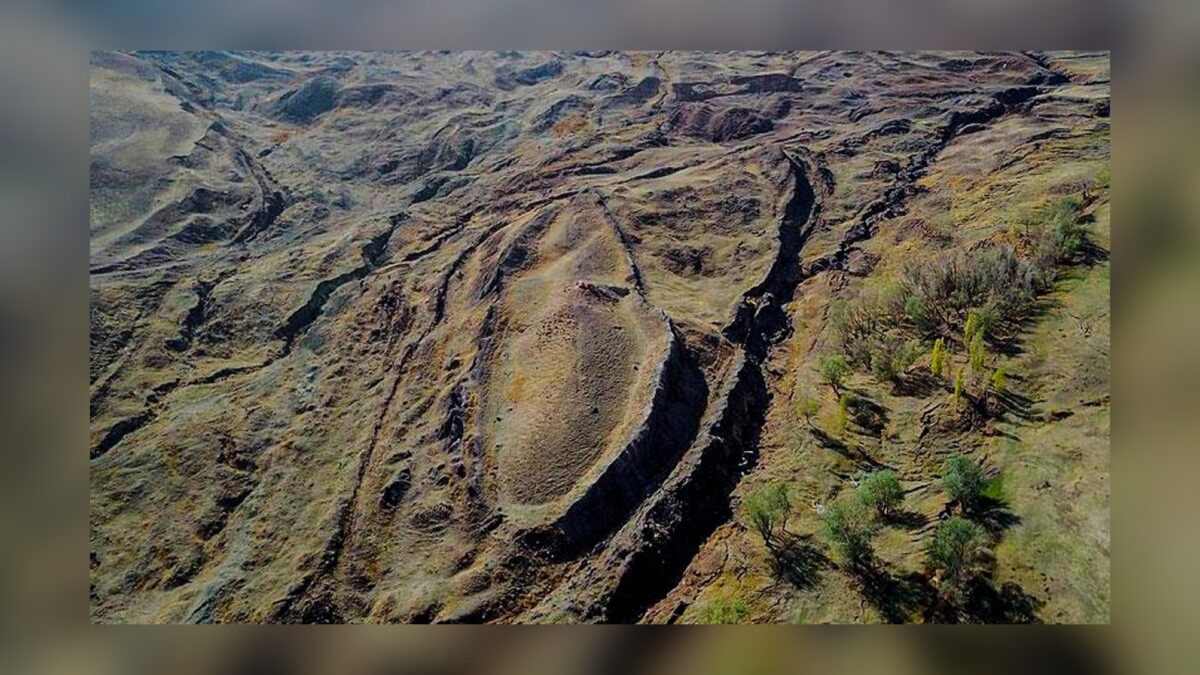
The excavation, led by the Noah’s Ark Scan group, focuses on the Durupınar site, where angular structures and a void at depth have been identified that could resemble a vessel. According to tradition, the Ark is said to have come to rest on this hill around 5,000 years ago. Since the 19th century, various expeditions have attempted to locate evidence of the Ark’s existence.
Research from Maimonides University has uncovered marine materials and clay that align with the biblical narrative, suggesting that the area may have been inhabited since the Chalcolithic period. Although the evidence is preliminary, other experts believe there could be a real basis behind the Ark story. This site was first identified in 1948 and has been the subject of exploration ever since. In 1989, Turkey’s Ministry of Culture and Tourism declared the area a ‘protected natural site,’ recognizing its archaeological potential.